Best Way to Store Maxwell House Ground Coffee

Considered by many coffee lovers to serve the best java in the globe, Starbucks is an international conglomerate that took over the java scene in bold and unexpected means. After starting with one niggling shop in Seattle, the coffee giant climbed their style to the top in only a few short decades.
With more than than 27,000 locations worldwide, Starbucks is ready to make your favorite cup of joe, no matter where you go. Let's acquire more about the history of Starbucks and how information technology became an international coffee firm sensation.
Starbucks Was Founded in 1971
The very showtime Starbucks store opened at 2000 Western Avenue in Seattle on March 31, 1971, right across the street from Superhighway Place Market. Jerry Baldwin, Gordon Bowker and Zev Siegl founded the visitor after meeting in higher and realizing they all loved java and tea. It didn't hurt that they were all academics.
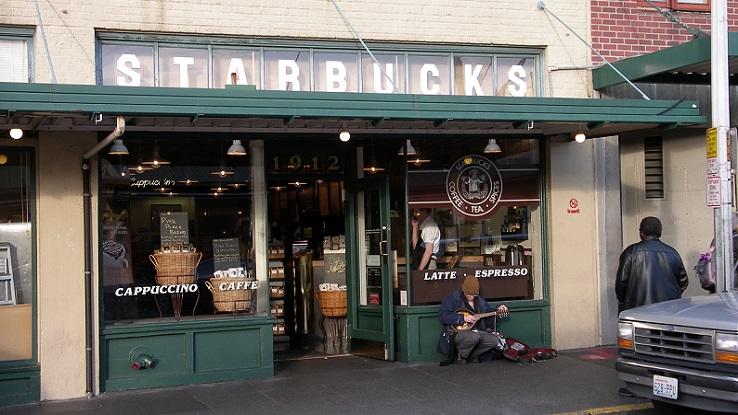
The trio met at the University of San Francisco. Both Baldwin and Siegl graduated and became teachers, while Bowker became a author. Their love for java sparked the thought to open the offset location and sell coffee made with high-quality java beans. They arranged to purchase their beans from local growers.
The three men sat downward and tried to brainstorm names that would speak to local java and tea lovers to help them become their store off the ground. They didn't offer brewed coffee to customers, so they had to accept a name that would describe people in to buy their coffee beans and equipment.

They landed on the "St" audio because a friend of theirs told them it sounded powerful. Because of their love of academia, the three friends recalled a name from the Herman Melville novel Moby Dick. Starbuck is the main mate in the book — thus Starbucks was born.
Starbucks Originally Sold Coffee Beans and Machinery
Because Starbucks is now 1 of the biggest chains in the world for espresso beverages, it's hard to moving-picture show information technology as annihilation besides the unique coffee shop brand it is today. Even so, the company didn't start out like that. Back when it commencement opened, the main attractions were the locally sourced coffee beans and mechanism.
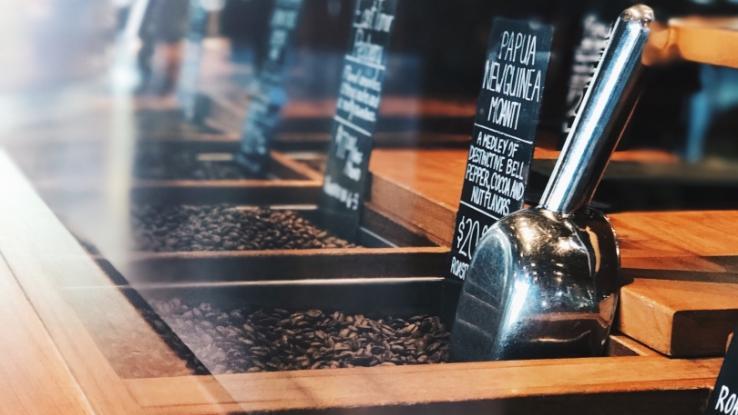
Their goal was to only sell the highest quality beans and only the best brewers and steepers in order to create an upscale production that competitors couldn't touch. Nada was premade, and walking into Starbucks with the intention of getting a brewed coffee didn't cost a penny.
They Gave Away Gratuitous Samples of Brewed Java
The all-time style to become customers to give their coffee a gamble was to give them free samples. They didn't accuse anyone for coffee and only had small samples for people to try so they could decide to purchase (or non purchase) the coffee beans and brewing equipment.
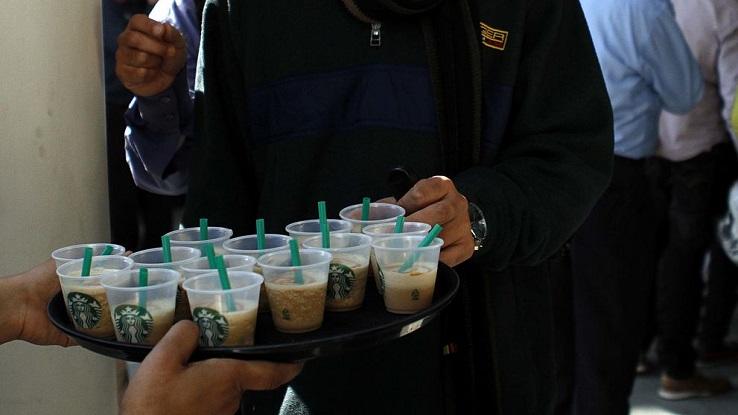
The friends were sick and tired of the bad cups of coffee served almost everywhere they went, and they hoped other locals would experience the same way. They believed the unabridged metropolis of Seattle deserved good java, and they were convinced there would be no turning back once customers tasted their brew. They were right.
It All Began with a Single Store
Baldwin, Bowker and Siegl had no business organisation experience and little to no money for a startup, but that didn't stop them from following their dreams. They managed to pool the funds they had, get a bank loan and rent out the location across from Pike Identify Market.
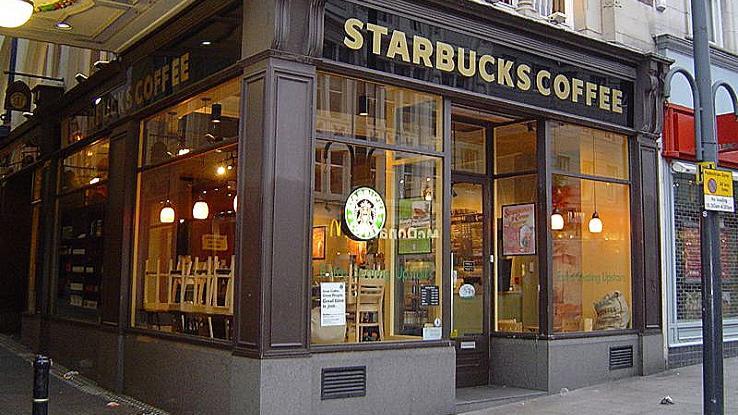
They hit snags when opening the store but eventually got things upwards and running. A common friend stopped by to pay them a visit, bought some Sumatra beans and that was that. That first customer started a chain reaction that grew the business from simple local bean shop to billion-dollar java conglomerate.
Coffee Roasting Entrepreneur Alfred Peet Inspired the Idea
If it wasn't for Alfred Peet, a Dutch American entrepreneur and the founder of Peet'southward Coffee and Tea, Starbucks might non exist today. The coffee and tea magnate grew up in the coffee brewing business and brought his ain special style to roasting coffee beans.
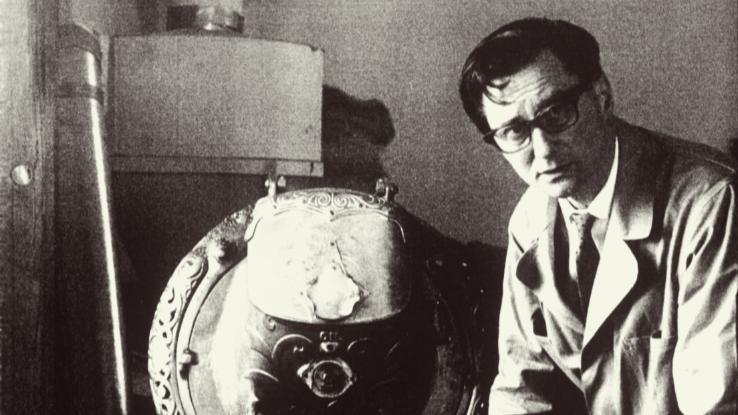
He taught this unique roasting way to the trio after he became friends with Siegl. Peet was impressed by Siegl'due south father, who was a concertmaster, and Siegl admired Peet's business organization skills. After the three men learned Peet's roasting manner, he took information technology a pace further and backed their aspirations to open Starbucks with a supply of fresh java beans.
Howard Schultz Joined the Brand
Howard Schultz originally worked for a Swedish company called Hammarplast, a manufacturer of kitchen equipment, housewares and, of course, java bean roasters. He was blown away past the number of orders the small store consistently placed, so he paid them a visit.
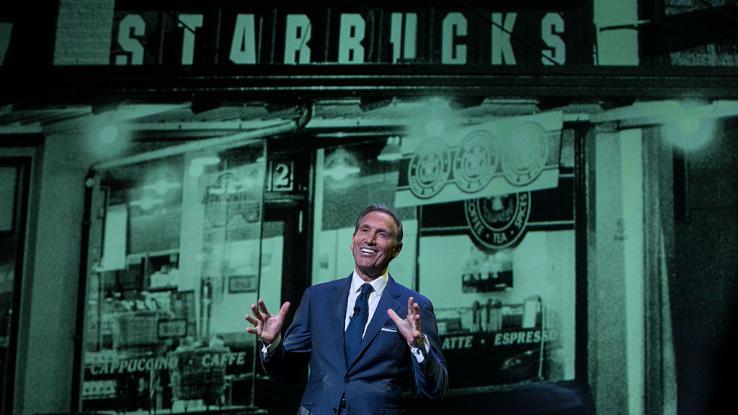
Later on seeing Starbucks upward close and personal, Schultz knew he had to exist a part of information technology. The company hired him as Head of Marketing in 1982. His marketing plan and staff training that was designed to put customers at ease, despite their lack of knowledge of fine coffee, worked wonders, and the business began to expand very quickly.
A Trip to Italia Led to Big Ideas
In 1983, Schultz went to an international housewares show in Italia on a business trip for the make. During this visit, he spent a lot of time in cafés, and the idea of turning Starbucks into a European-style café hitting him hard. When he got dorsum to Seattle, he pitched the idea to the owners.
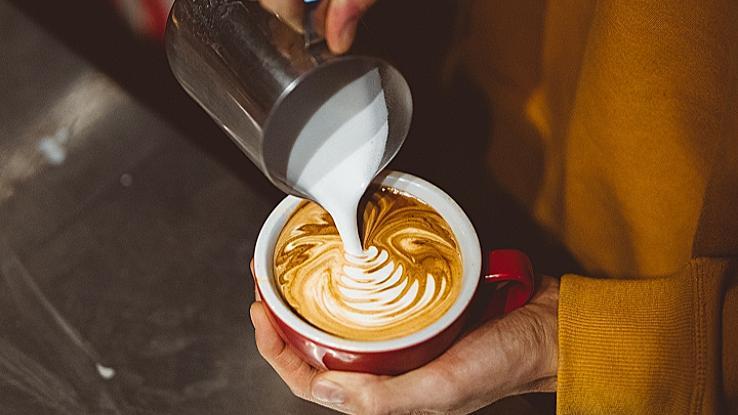
The trio turned the idea down at outset. They were attached to their original business organisation model and didn't want to meet Starbucks changed into a café. Schultz soon realized they were stuck in their ways and weren't going to change their minds.
Schultz Left Starbucks and Opened Il Giornale
Even so convinced the idea of a European-way café was gold, Schultz decided to leave Starbucks and go it alone. In 1985, he started his own venture by opening Il Giornale, the first in a chain of coffee shops.
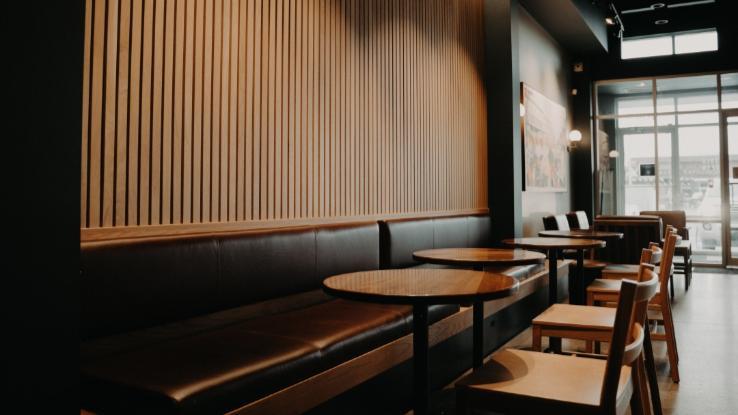
Il Giornale was well received by the public and became an immediate hit. Several locations were opened in dissimilar cities in a short corporeality of time, and Schultz realized he was definitely onto something large with his idea. He even so sold Starbucks coffee that he brewed in the shop, only he served it along with an Italian-style coffee card featuring espresso drinks.
Starbucks Went Upwards for Sale
When the Starbucks partners decided to sell the Starbucks store and brand in 1987 to focus on Peets, Schultz knew exactly what to do. He snatched the company up rapidly, combining Il Giornale and Starbucks and adopting the Starbucks proper name to create the international sensation everyone knows and loves today.
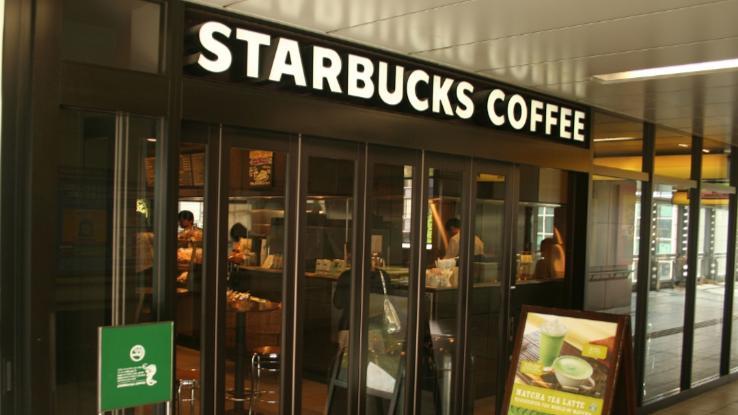
He kept his business model for Il Giornale and expanded information technology with the success of the Starbucks brand. Specialty coffee sales in the U.S. were skyrocketing, and more than than twoscore Starbucks stores were spread across the Northwest and the Midwest by 1989. From that point on, Starbucks really started to accident upward in sales and locations.
Starbucks Stock Went Public
In June 1992, Schultz decided to take Starbucks public to further expand the make by giving people the option to purchase into the growing business. The brand was making more than than $73 1000000 a year at that point, and raising funds through an IPO allowed the company to expand even farther.

The IPO for Starbucks fabricated the visitor more than $25 million and helped the company double the number of locations across the country. It didn't hurt that the share price was up 70 percent by September, making Starbucks i of the most assisting specialty coffee stores to ever exist.
Starbucks Experienced Fast Growth
When Starbucks stock opened on the market, it was merely $17 per share, and the company's marketplace value was $271 million. This was huge for the coffee roasting industry. Over the course of the next couple of years, Starbucks grew exponentially.

It wasn't just good espresso and cappuccinos that made Starbucks so popular. Schultz's idea to accept the café stand for community made the coffee shop a true competitor in the market place. With the social aspect as a driving strength, Starbucks quickly took over the country, and the chain began to pop up everywhere. The thought was to connect customers to each other, and information technology was a huge success.
Starbucks Made a Bargain with The Coffee Connection in Alberta
To expand the business organization outside the States, Starbucks went into business with The Java Connection, a family-owned business in Alberta, Canada. The company was a huge supplier of branded coffees, and the decision to partner with each other proved to be a good one.
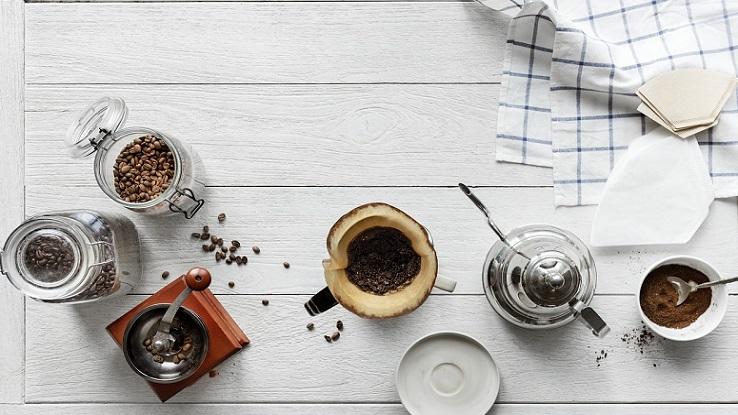
Coffee Connection helped supply the blends for all the Starbucks favorites and helped with the production of dwelling house brewing supplies and then Starbucks could continue selling supplies in their cafés, paying homage to the original version of the business organization. With the best connections in the coffee manufacture, the Starbucks take-over accelerated to the bespeak of total authority.
The Starbucks Frappuccino Arrived on the Scene
The Frappuccino is one of the most successful drinks that Starbucks has offered over the years forth with the traditional espresso. Afterward a Starbucks employee noticed that other java shops in their surface area had started offering common cold brews, they took the idea to do something similar to corporate.
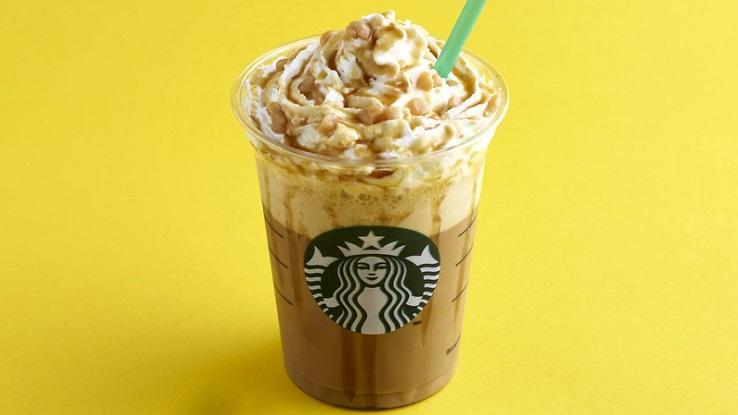
Once they got the become-ahead from the higher-ups, they were given the chance to do a Frappuccino test run at ane of the stores in Los Angeles. The public loved the new beverages, and then they started serving them at dissimilar stores beyond the state. Frappuccinos are at present 1 of the near ordered beverages on the menu.
International Expansion Began After National Success
The very offset store exterior the U.S. was in Tokyo, Japan. It opened in 1996 and kicked off the early stage of global dominance. The next market tackled was the Philippines, and and then expansion moved to the U.K. with the buy of Seattle Java Company — ironically, a U.K.-based company.
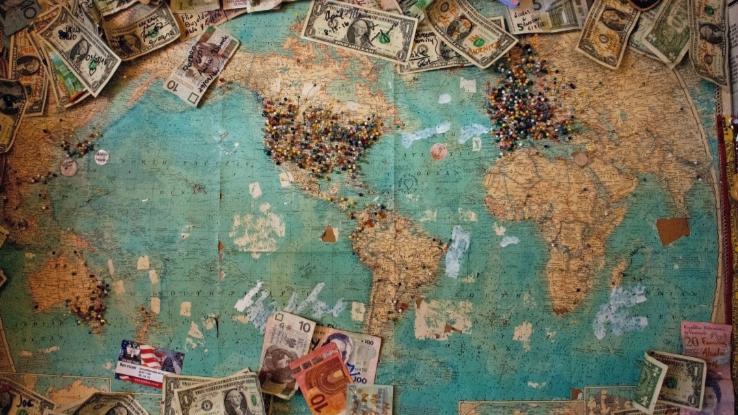
Over the class of the adjacent two decades, Starbucks opened locations in Russia, South America, Vietnam, Mexico, Australia, Columbia, Cambodia, Italy and Mainland china. During this expansion, they acquired several businesses, including Teavana and the remaining 50% of their Chinese venture from Uni-President Enterprises Corporation and President Chain Store Corporation.
Starbucks Ready Out to Be Different
The original idea for Starbucks may have come from several different inspirational sources, such as Peet'due south Coffee and the many mannerly cafés in Italy, only the company'south business model for u.s.a. took on a whole new form. They wanted to stand up out from the crowd, and they managed to exercise that almost effortlessly.

Coffee shops e'er seemed to have the same basic ideas, good java for affordable prices and a quick turnaround from the time a customer ordered to the time they left the shop. Starbucks wanted to create an experience, not just a pit terminate on the way to the office. (That'southward the purpose of the bulldoze-thru.)
The Company Pushed for a Sense of Community
Walking into a local Starbucks offers a dissimilar feeling. The employees, the vibe, the music, it all seems very local and very friendly. The reason for that was a calculated thought from the very showtime. Their mission was to "inspire and nurture the human spirit — i person, one cup and one neighborhood at a fourth dimension."
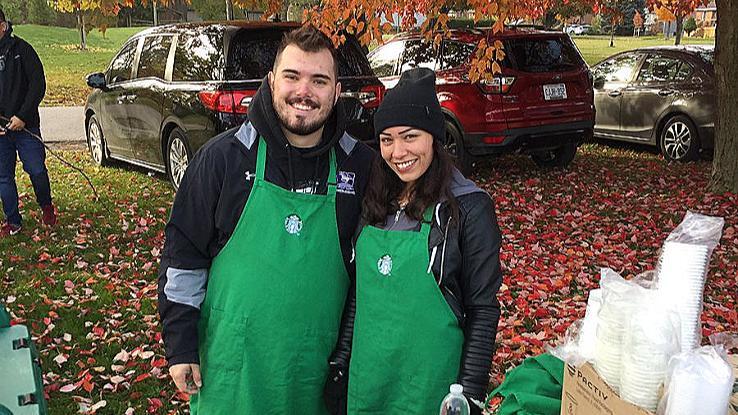
This sense of community is supported by comfortable seating areas, fantabulous store playlists and gratis Wi-Fi offered at all locations across the globe. They didn't want people to just savour their java. They wanted their customers to feel at dwelling house when they walked in and ever inspired to render.
They Made a Hope for Upstanding Sourcing
Over the last two decades, Starbucks has forged ahead in the sustainability-witting market with a commitment to offering 100% ethically sourced products. They partnered with Conservation International to offer customers total transparency near the sources of their coffee beans.
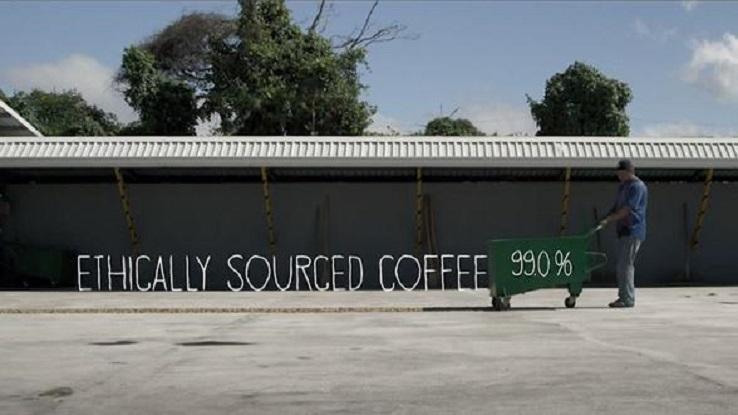
They have positively afflicted millions of farmers beyond the world and are only one% abroad from hitting their target goal of 100%. They desire to make a difference in the lives of their customers likewise every bit the entire globe at large, and that makes them a desirable recipient of consumer dollars in a world where ethical sourcing matters.
The Indie Vibes Remain Strong
When Starbucks first began changing from a retail java shop into a café, the special niche targeted consisted of like-minded individuals who didn't necessarily know a lot well-nigh coffee merely appreciated a adept loving cup of joe, regardless of their knowledge on the subject field.

This indie-like attitude toward creating products that everyone and anyone could enjoy is what made Starbucks what it is today. The fact that they could hold onto their core values and even so grow forth with society is just i of the many reasons Starbucks has enjoyed such unwavering success.
They Took Cafe Culture from Europe to America
Prior to the being of Starbucks, chain cafés in North America were rare. Coffee shops were sometimes successful, but they didn't have the same vibe that's offered in all Starbucks locations. Their goal to bring people together was put into action and caused a global phenomenon.

Instead of rushing to go a cup of coffee, people now hang out, do their work, study for finals and but meet to conversation with their friends — all at Starbucks. They took the arctic sit down and socialize vibe from Europe and transformed it into a successful North American pastime.
The Starbucks App Was Born
In true Starbucks fashion, the company grew with the times. From offering attainable and delicious java beverages and creating new drinks to giving people a identify to hang out, Starbucks e'er focused on long-term success. That included keeping upward tech advances, and the Starbucks app was created to brand information technology fifty-fifty easier for customers to relish their espresso beverage of option.

Using the app, customers can pay for their java, social club in accelerate and even earn rewards for future purchases. They made information technology easy to go cashless, and it helped keep company cash menstruum up. The rewards program also offers customers 2-for-1 drink days, happy hour prices and special discounts on their favorite Starbucks drinks.
Bad Reviews Didn't Stop Them
Like whatsoever practiced business, Starbucks inspired plenty of haters to come out of the shadows. Scorned customers have voiced their opinions on review sites and social media, and Twitter user @iHateRei even went so far equally to say that "drinking Starbucks coffee feels similar oppression if you're used to good java."
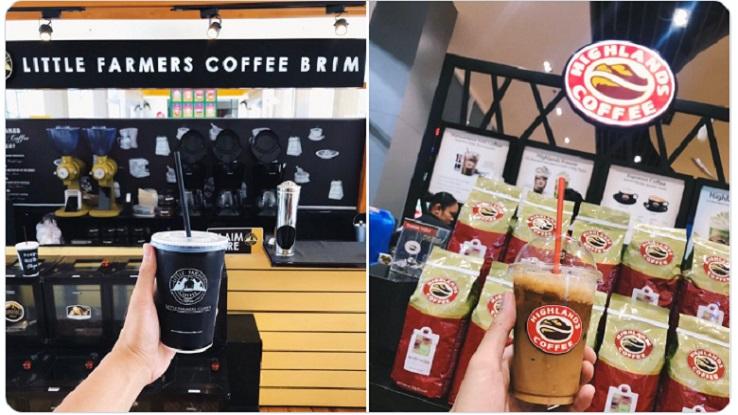
Needless to say, most people don't agree, and the reviews oasis't stopped them from growing. Over the last five years, Starbucks' acquirement has nearly doubled, making the company worth around $23 billion. They program to go along growing, hoping to create a render to shareholders of $15 billion in the adjacent 3 years.
Healthy Food Options Boosted Sales
In an attempt to gain some ground in the healthy lifestyle niche that has taken over in contempo years, Starbucks began offering more good for you options in add-on to their regular food choices of pastries, bagels and muffins. They expanded their menu to serve set-fabricated salads, wraps and bento boxes.
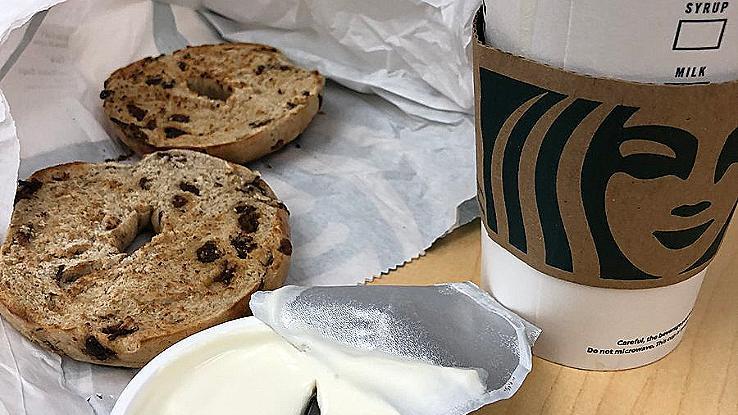
The goal is to serve proficient food to their customers then when they come in for java and conversation, maybe they'll as well stay for lunch. They still take food and beverages that aren't remotely salubrious, simply with total transparency on their menu and ingredients, they exit it up to the consumer to decide which options to choose.
Conservation Remains a Focus
At Starbucks, they have plenty of take-home cups and travel mugs for sale alongside your coffee beverages to assistance go along waste material down. They are starting to eliminate straws and accept created new lids that are designed to work without them.

Over the years, Starbucks has partnered with local governments and organizations to assistance push conservation efforts. They offering complimentary compost bags of used coffee to employ in dwelling house gardens and work hard to keep their ecological footprint as small every bit possible. They offer discounts to customers who employ their ain cups, pushing green practices that much farther.
Support for Social Responsibility Furthered the Brand
The social responsibility attribute of the Starbucks brand is one of the nigh important missions. The company has launched several different coalitions, including the Opportunity for Youth 100,000 Opportunities Initiative, and is a leading employer of youth and refugees. They also have a 100% commitment to rescuing food for donation.
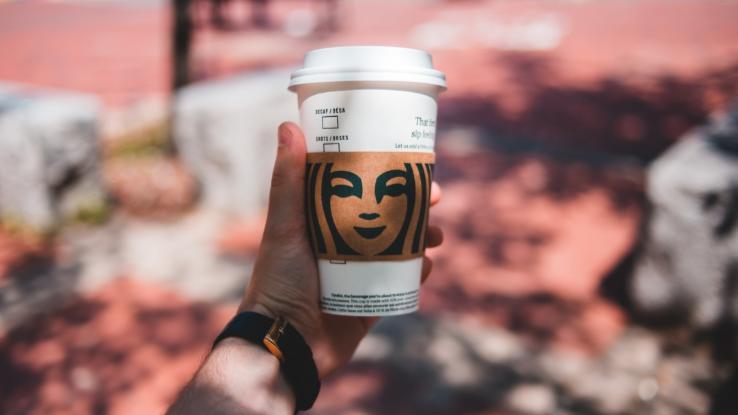
Along with their community service programs, Starbucks helps the globe at large with their ethically sourced products, pledge to eliminate straws and a new $ten one thousand thousand initiative to create reusable cups to continue waste down. They proudly proclaim on their website that they are in the "people business, serving coffee."
Celebrities Rave Over Starbucks
Perhaps one of the main pillars of Starbucks' give-and-take-of-mouth success is that many celebrities have raved over their coffee or been spotted by paparazzi grabbing their own cappuccinos. Once celebrities jumped on board, the brand became swish and revered by people who may not take otherwise heard of information technology or spent a lot of coin on coffee.

It's a slap-up place for people to relish coffee and mingle, and celebrities are people too. Articles all over the cyberspace even focus solely on what drinks celebrities order. People love that connectedness to their favorite stars.
Social Media Tactics Drive Sales
Starbucks is a company that understands the use of social media in business, and they use it to their advantage. Releases of new drinks are always liked and shared across all platforms, including Facebook, Instagram and Twitter, amid others.

The way they use their social media to drive sales and reach a larger target audience is one of the chief reasons the company has grown so widely over the course of their reign at the elevation of the coffee industry. Starbucks' strategy is quality over quantity, so they don't mail too often, but the posts are exciting, engaging and visually appealing.
Staying on Trend
When the globe fell in love with unicorns all once again, Starbucks released a Unicorn Frappuccino. When there are holidays to celebrate, they release special vacation cups and seasonal brews. Staying on trend is one of the biggest strengths Starbucks has when information technology comes to holding on to the coffee crown and staying alee of rival competitors.
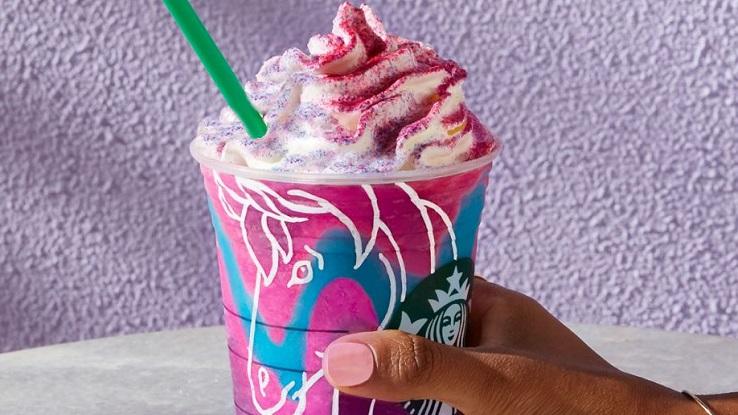
In today's age, being on tendency isn't exactly easy considering of how quickly things can change, simply that hasn't injure Starbucks yet. In fact, they tend to exist ahead of the game, creating their own trends, such as the Pumpkin Spice Latte and the Cloud Macchiato, as well known equally Ariana Grande's favorite Starbucks drink.
Starbucks Is Way More Than Merely Coffee
Starbucks doesn't just offering beverages and food. The shop besides has mugs, tumblers, special seasonal ornaments and even CD'southward from various artists. The goal to sell the best coffee in the earth wasn't the merely idea they had in mind, and information technology wasn't the only goal they achieved.

The company pushes for environmental consciousness through their reusable products, and they aim to showcase local and ofttimes unappreciated talent from around the world in their stores. The fact that they present themselves as much more a coffee shop helps propel their success beyond other café bondage because of how dissimilar they truly are.
Starbucks Is an International Coffee Giant
After almost l years in business organisation, Starbucks has gone through the normal ups and downs that businesses see, merely force and commitment toward customers are what keeps them surpassing their goals. With new initiatives coming out all the fourth dimension that are in line with what society and the world wants, they are much more than than a simple coffee business concern.

The loyal customer base and power to utilize what they have to proceeds more than attention make Starbucks Rex of the Coffee store, and it'due south likely they volition keep to reign supreme. The increasing number of social initiatives and growing menu almost guarantee it.
Source: https://www.consumersearch.com/technology/history-starbucks?utm_content=params%3Ao%3D740007%26ad%3DdirN%26qo%3DserpIndex
0 Response to "Best Way to Store Maxwell House Ground Coffee"
Post a Comment